
If ‘eat more locally’ makes you picture a Saturday morning spent driving to three farms, carrying a canvas tote and then coming home with twelve vegetables you now have to figure out how to cook, I understand why this has not made it to the top of your list.
Local food does not have to become a new hobby. It can, if you want it to. But it can also be one small change in the routine you already have.
You do not have to go directly to a farm every time you want something local. Many grocery stores identify Washington-grown produce or carry products from local producers. If you are already buying apples, eggs, bread or dairy, start by noticing where they came from.
September apples are a perfect example. You can go apple picking and make a whole day of it, or you can buy Washington apples during your normal grocery trip. Both count.
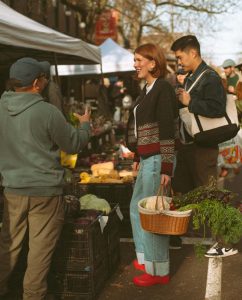
If you enjoy farmers markets, great. Choose the one that fits your life and let that be enough. You do not need a complicated weekly circuit like we do for our farm-to-table meals.
Go with one meal in mind or one ingredient you want. Ask what is especially good that week. If a farmer tells you the tomatoes are incredible right now, buy tomatoes and make BLTs. Seasonal eating can be that uncomplicated.
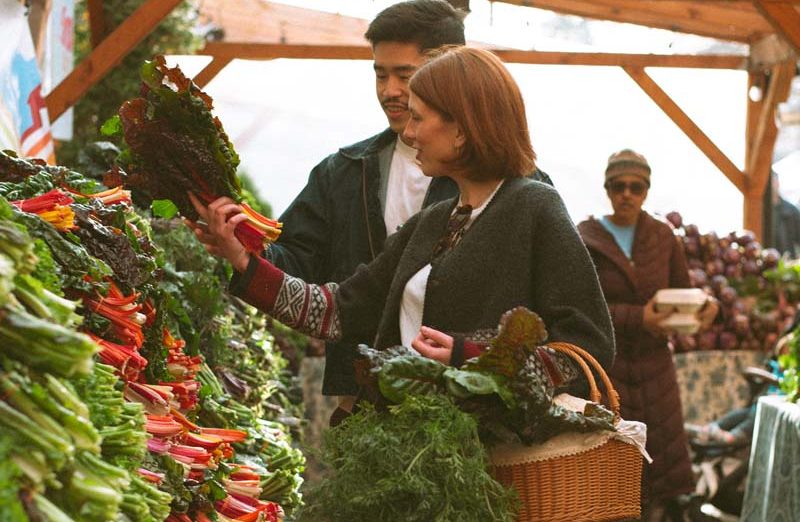
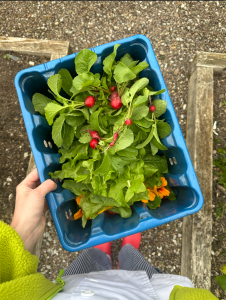
CSA programs are one of my favorite options because they make local food more automatic. You sign up with a farm, receive a share of what they are harvesting, and get introduced to produce throughout the season without having to shop for every item individually. Many of the farms we work with offer CSA boxes.
They also give farms money earlier in the season, when there are plenty of costs before the harvest really gets going. Some programs offer split payments, different box sizes or pickup locations, so it is worth finding one that fits your household.
Eat Local First has a CSA Finder online you can use to choose a box for you.
This is boring advice. It is also some of the most useful advice I have.
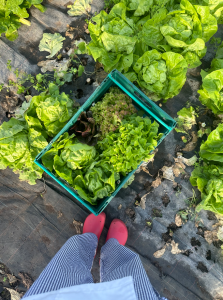
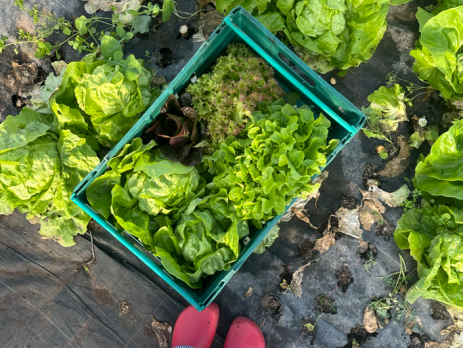
If you bring home lettuce, wash and chop it before it becomes a sad refrigerator project. If you buy carrots with tops, remove the greens before storing them. If you know you want cucumber slices for lunches, slice the cucumbers. Make the food easy to grab when you are hungry.
The goal is not to create an impressive refrigerator, but to actually eat the food you bought.
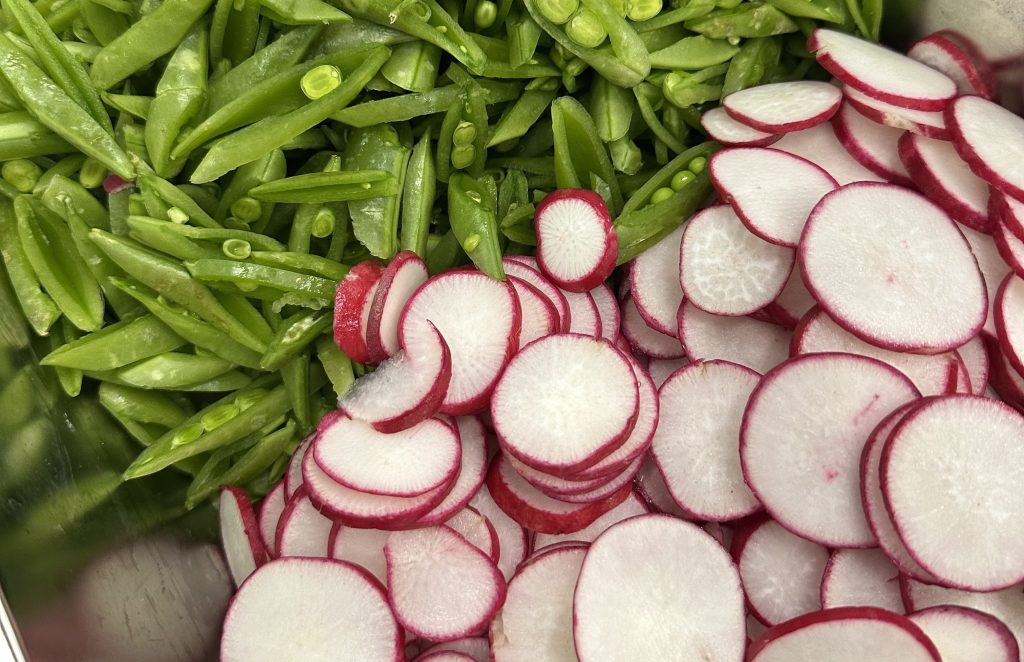
You do not need a fully local meal for local food to matter. Buy great corn and add it to a chili you already make. Put local beets in a salad. Add Washington apples to chicken salad. Use local tomatoes on a sandwich and call dinner done.
This is one reason I love cooking seasonally: the ingredient already has a direction. When corn is sweet or tomatoes are at their peak, you do not need to do much to make them taste good.
-> Read more about how we build our weekly menu around what’s fresh.
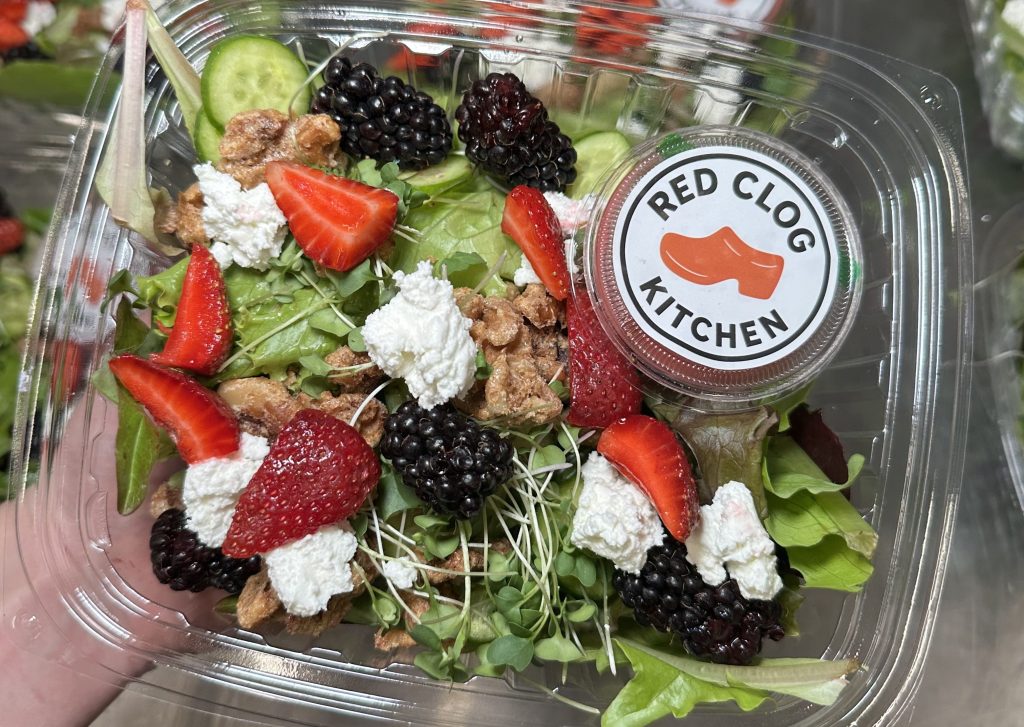
Supporting a local food system is not limited to cooking everything yourself. Choose a local cafe, restaurant, bakery or prepared-meal company that buys from nearby farms and producers. You still get dinner. The sourcing work just happened before you showed up.
Yes, this is where I could say, “Have you heard of Red Clog Kitchen?” And I will. But it is also genuinely how I think about it. Our job is to do the sourcing, menu planning and cooking so that eating locally can fit into a Tuesday night instead of becoming a Saturday project.
Resources like Eat Local First can help you find farms, CSA programs, producers, restaurants and other local-food businesses near you. That can save a lot of Googling when the main problem is simply not knowing what is available.
You can still eat takeout. You can still buy crackers. You do not need to throw out everything in your pantry and become a person who raises chickens by next Tuesday.
Start with one thing that fits your actual life. Buy local eggs. Join a CSA. Choose Washington apples. Order a meal made with local produce. Then add another thing if you want to.
Eating locally should make you feel more connected to your food and your community, not like you accidentally signed up for another job.