
A changing weekly menu can look random from the outside. I promise there is a plan. There is also my brain, which sometimes means the plan starts with, ‘There are a lot of tomatillos right now and I’ve never cooked with them, but how bad could this be?’
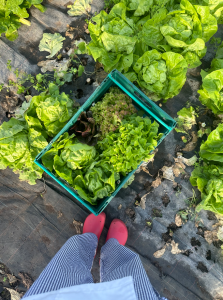
We are a farm-to-table kitchen. Meaning everything we do starts with what’s in season locally. But there is a lot more that goes into planning the menu.
The short version is that our menu starts with what is actually available, then gets filtered through a few very practical questions: Will people want to eat it? Will it hold up for meal prep? Can we source enough of it? Will it still taste good a few days later? And can we make the whole production week work without creating unnecessary waste?
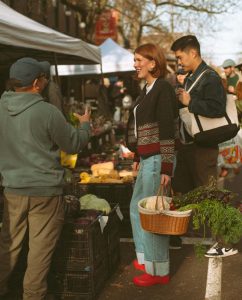
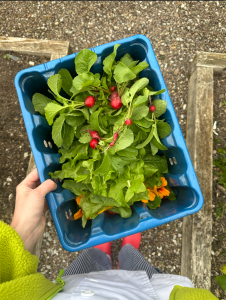
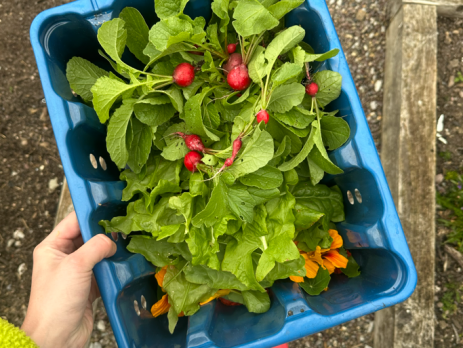
I keep up with seasonality in a few different ways. I go to farmers markets. I look at what’s generally in season at the beginning of the month. Farms we buy from directly send availability sheets with quantities and pricing. I also order through Farmstand Local, which connects farms with restaurants and food businesses.
Sometimes seasonality is very obvious. For example, if there are twenty-five kinds of kale available and one tomato, the season is telling you something. It’s definitely kale season.
Those farm lists are where a lot of menu ideas begin. In late summer, I kept seeing tomatillos, poblanos and jalapeños. We roasted them into a salsa verde and slow-cooked pork shoulder in it, then paired that with local beans and tortillas. The sauce itself started with what the farms had.
I don’t want every meal on the menu to taste like the same idea wearing a different outfit. I try to build variety across proteins, grains, vegetables, textures and meal types. I also usually keep a few reliable comfort-food dishes in the mix (like lasagna, meatloaf, pot pie…) because those are consistently some of our best sellers.
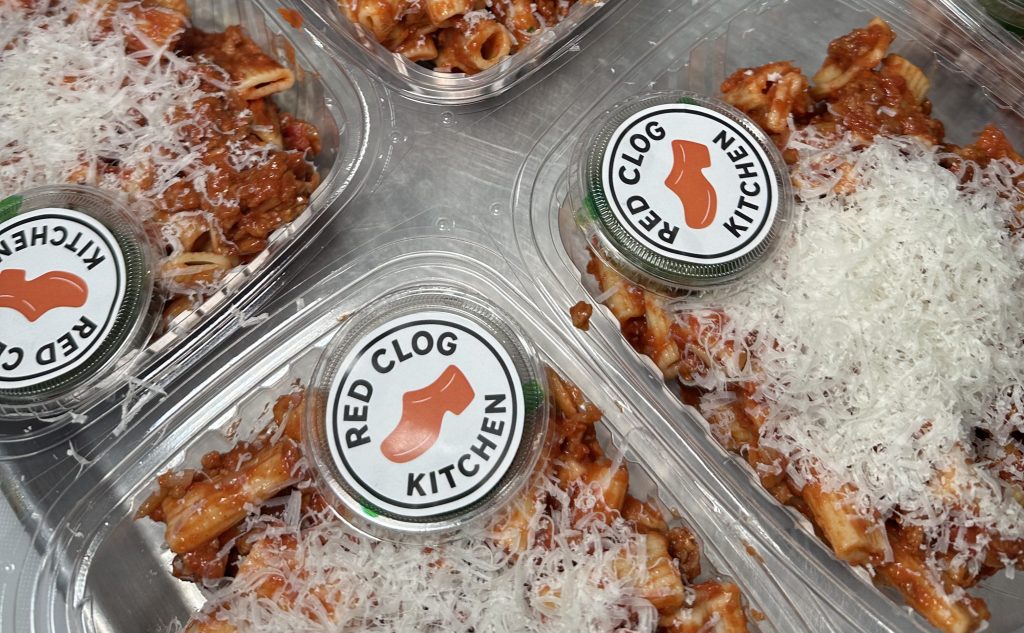
At the same time, the season should still show up. Our goal is, in fact, to help you eat locally with the seasons. A lasagna Bolognese can include local beef, onions, carrots and celery, fresh pasta from a Seattle producer, and local dairy. A harvest bowl can bring in kale and roasted vegetables. A cold noodle salad can make sense in August when everyone wants food they can take to the park.
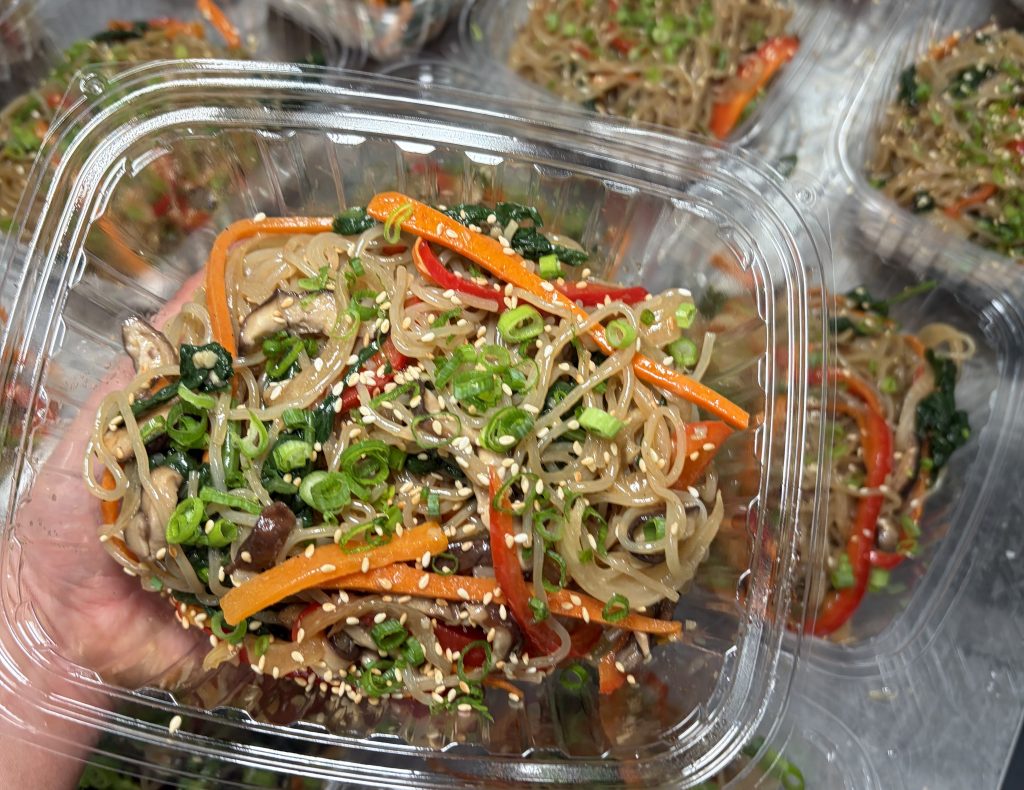
Restaurant cooking ends when the plate hits the table. Meal-prep cooking doesn’t. Our food is cooked, cooled, packaged, delivered cold, stored in your refrigerator and reheated later. I have to think through that whole chain before I put something on the menu.
Will the greens get soggy? Will the rice turn mushy? Should the sauce be packed separately? Will roasted vegetables still have good texture on day four? Would this still taste good if someone decides not to read the reheating instructions and just uses the microwave? These are all real questions.
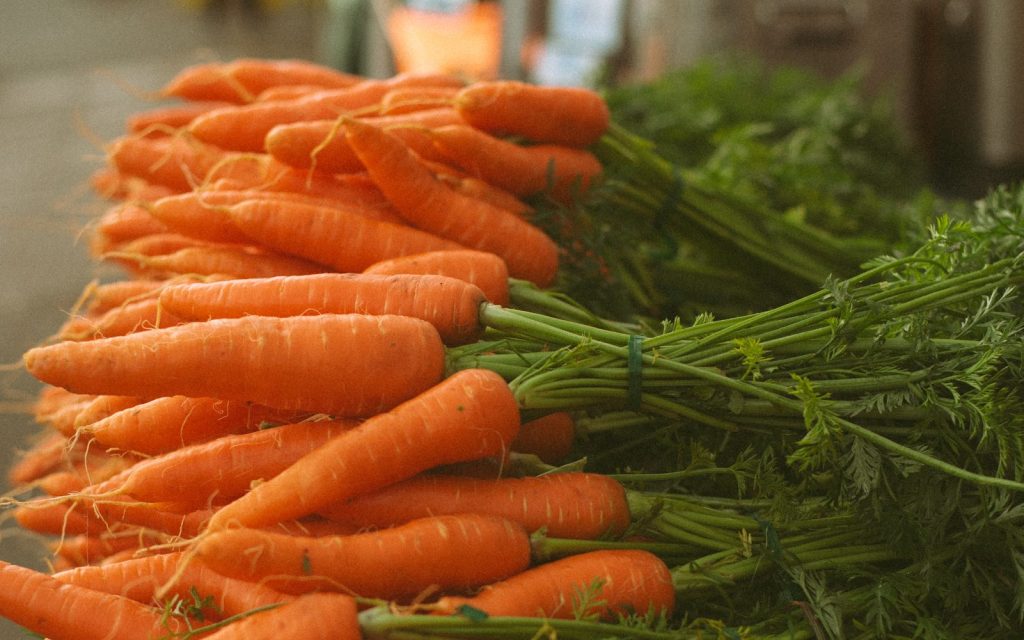
That is why something as simple as roasted carrots can turn into roasted carrots with whipped feta on the side. The feta makes the dish better, but keeping it separate means you don’t have to reheat the cheese into oblivion.
Some dishes are fully tested before they appear. Other times I know the foundation works and refine the details as we cook. I might taste a dressing and decide it needs lemon, or scale a recipe up and realize it needs more sesame oil or cayenne than the home-size version did.
A recent pumpkin scone is a good example. I wanted actual pumpkin in it, not fake pumpkin flavor, but too much moisture turns a scone into something closer to a muffin top. I strained the pumpkin, got the texture where I wanted it, tasted the finished scone and thought: good, but it’s too dry. Your mouth is going to need coffee to get through this. Maple glaze solved the problem. It took about five minutes and made the whole thing better.
Our made-to-order model is a huge part of how the menu works. We open ordering, customers choose their meals, and only after ordering closes do we have the exact quantities we need. Then I scale every recipe, place farm and grocery orders, and build the production schedule.
That matters with local food because I can buy much more intentionally. If we need carrots for fifty-five portions instead of thirty-five, I can calculate how much raw weight we need after trimming and cooking loss. Glamorous? Not especially. Useful? Extremely.
Friday is prep: farm orders arrive, vegetables get washed and cut, sauces and dressings are made, proteins are portioned, and anything that can be done ahead gets done. Saturday is our main cooking day. Sunday and Monday are packaging and delivery days.
Then we start all over again, because the farms have a new availability list and I have probably already found another ingredient I want to put on the next menu.
That weekly change is not a limitation of Red Clog Kitchen. It is the point. The menu moves because the food around us moves, too.